
What to Ask a Remodeling Contractor Before You Sign
The questions worth asking are more related to paperwork and people instead of materials. Ask for the contractor’s Pennsylvania registration number and a current certificate of insurance, as well as whether the crews are employees or subcontractors. Ask for detailed quotes that itemize the entire project, separating labor and materials with named allowances. Ask when payments are due and who pulls permits. A contractor who provides all of this information without hesitation is usually worth hiring.
Key Takeaways
- Pennsylvania requires contractors who do $5,000 or more of home improvement work per year to register with the Attorney General and have a PAHIC number that can be referenced.
- A quote that doesn’t separate labor from materials can’t be compared fairly against another quote.
- A deposit is expected, but on jobs over $5,000, Pennsylvania caps it at one-third of the contract price.
- A bid well below others usually reflects a different scope instead of a deal on pricing.
- Refusing to put a start and finish date in writing is one of the most common warning signs, and Pennsylvania law requires both dates in the contract.
License, insurance, and who is actually on your job site
Homeowners should ask for three things upfront: the contractor’s Pennsylvania Home Improvement Contractor (PAHIC) number, a current certificate of insurance showing liability and workers’ compensation, and a straightforward answer about who will be working in your house.
Under Pennsylvania’s Home Improvement Consumer Protection Act (HICPA), contractors who do $5,000 or more of home improvement each year must
register with the Pennsylvania Office of Attorney General. The registration number should appear on the contract.
Ask the contractor to have their insurer send the certificate of insurance to you directly. General liability covers damage to your home. Workers’ compensation covers anyone who gets hurt on the job, and without it injuries can be claimed on your homeowner’s policy.
Ask whether the crew are employees or subcontractors. Using subcontractors for plumbing or electrical is normal, but under HICPA, they must also be registered and have insurance. When comparing
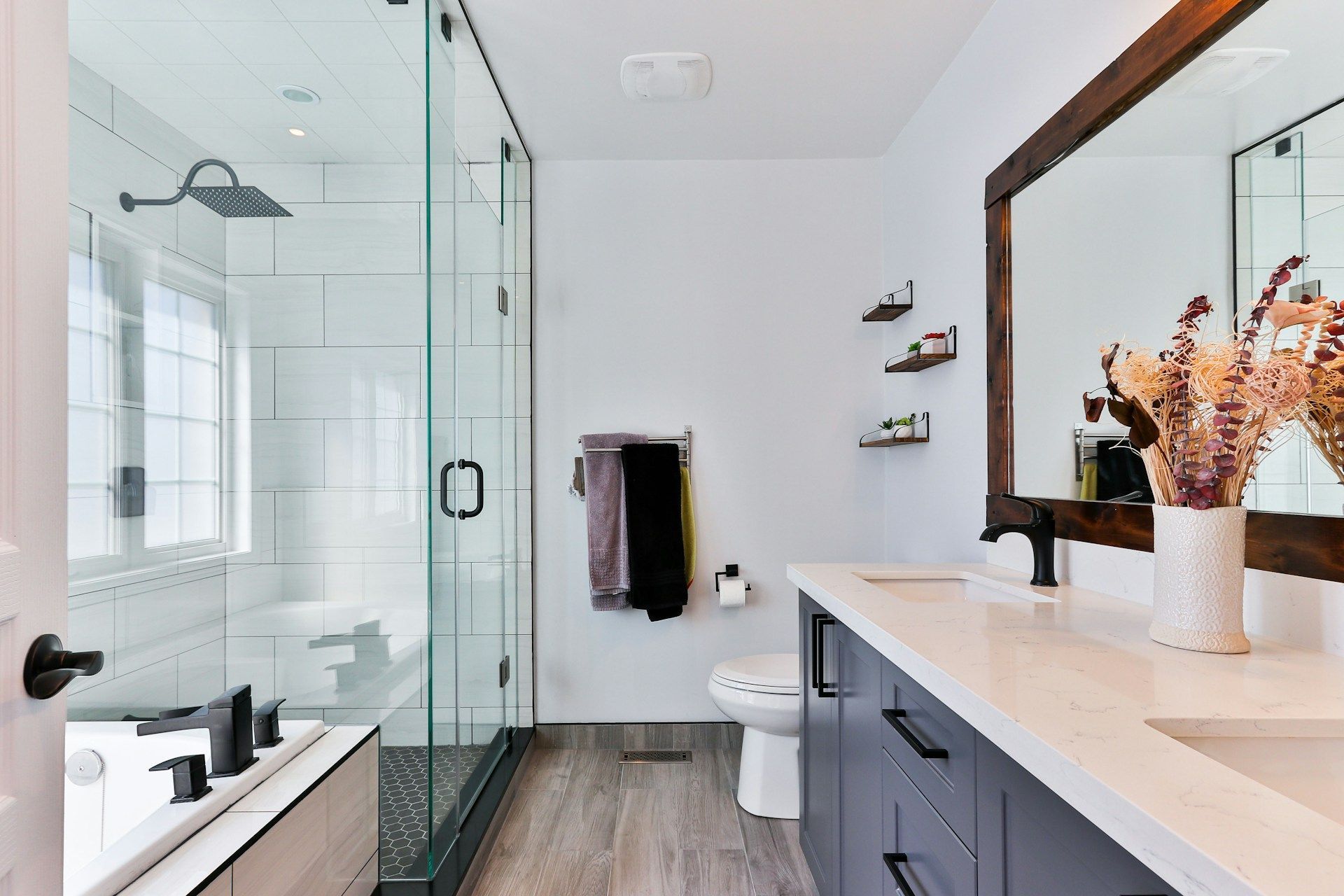
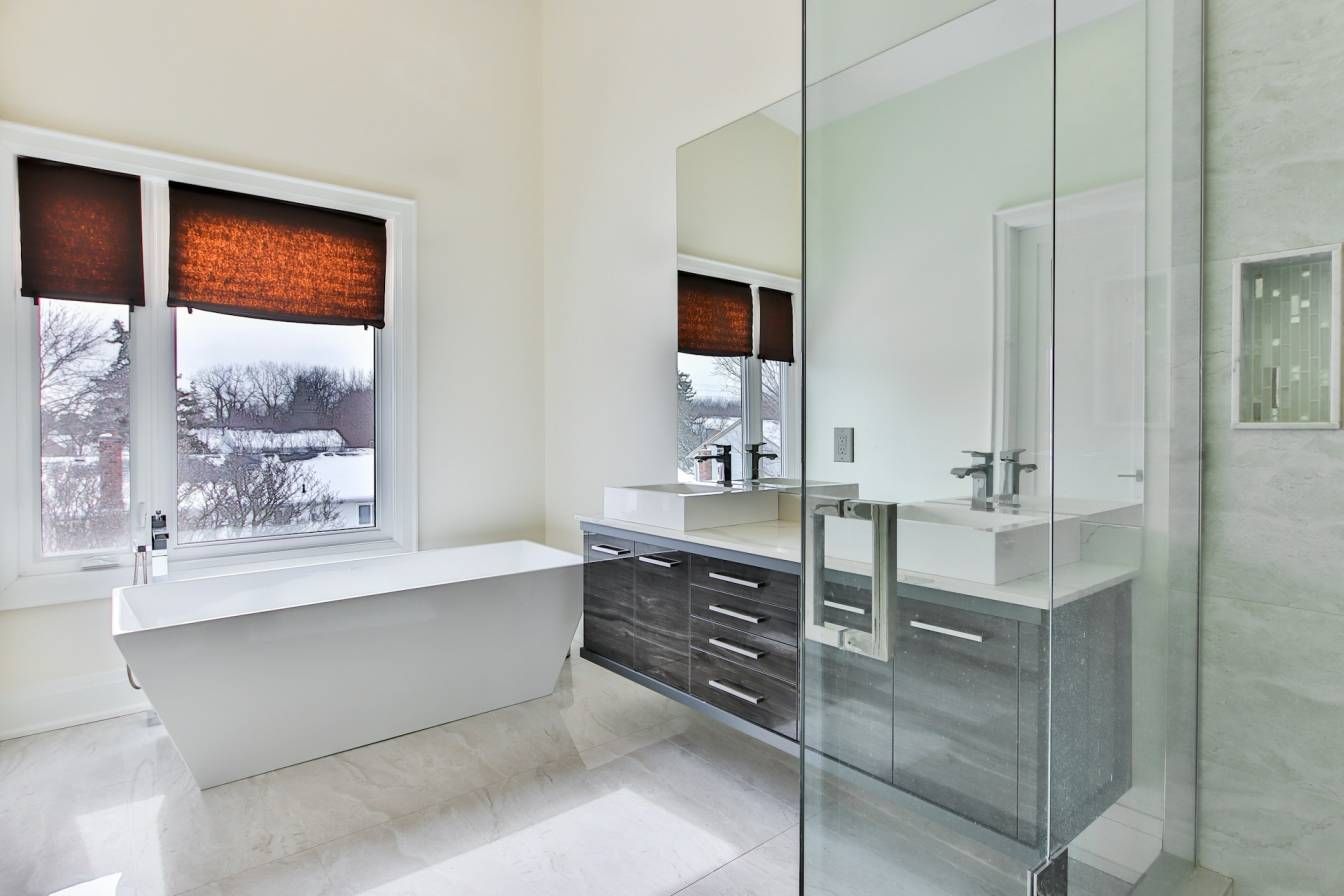
bathroom remodeling contractors in Brodheadsville, ask every one of them the same question and compare answers.
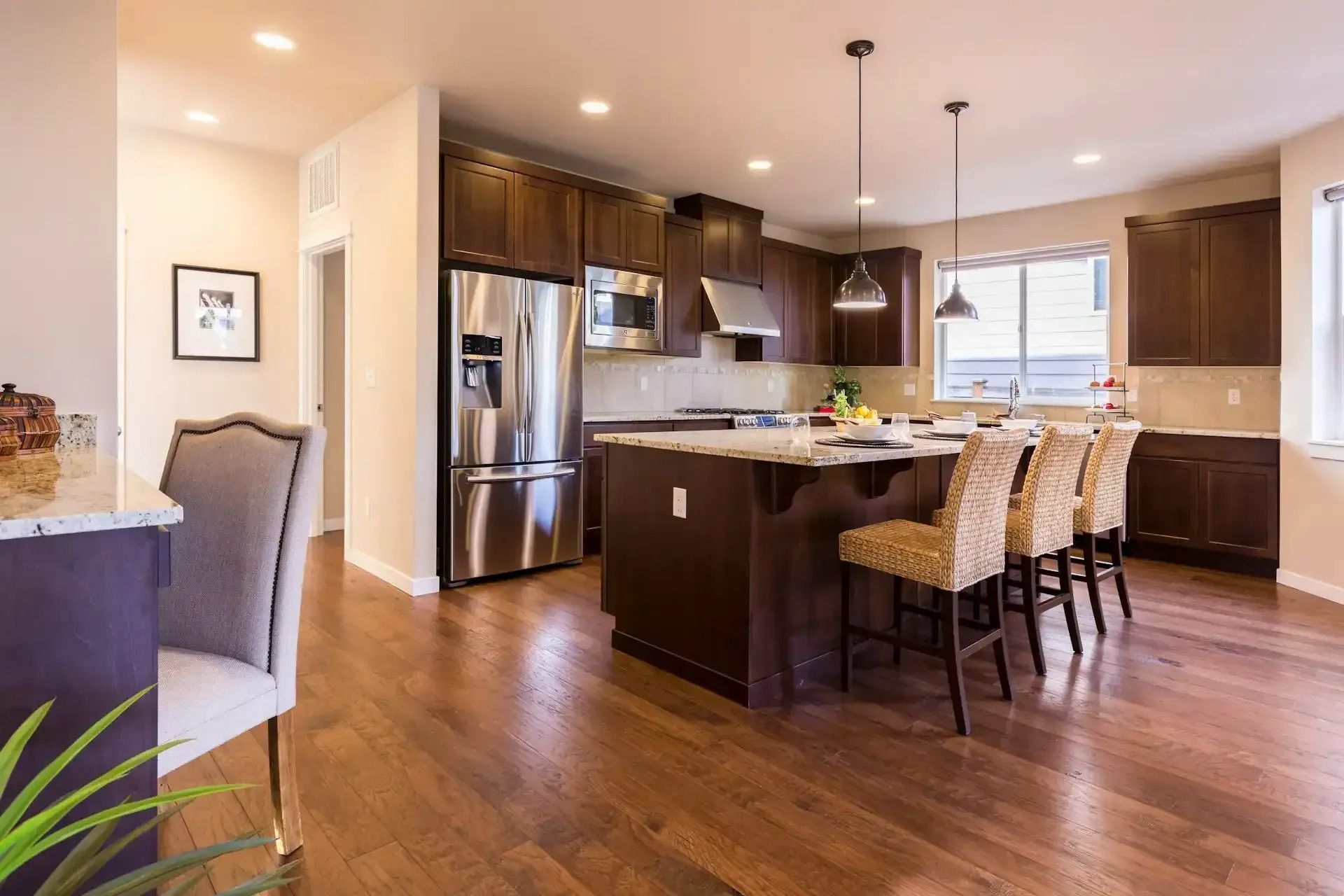
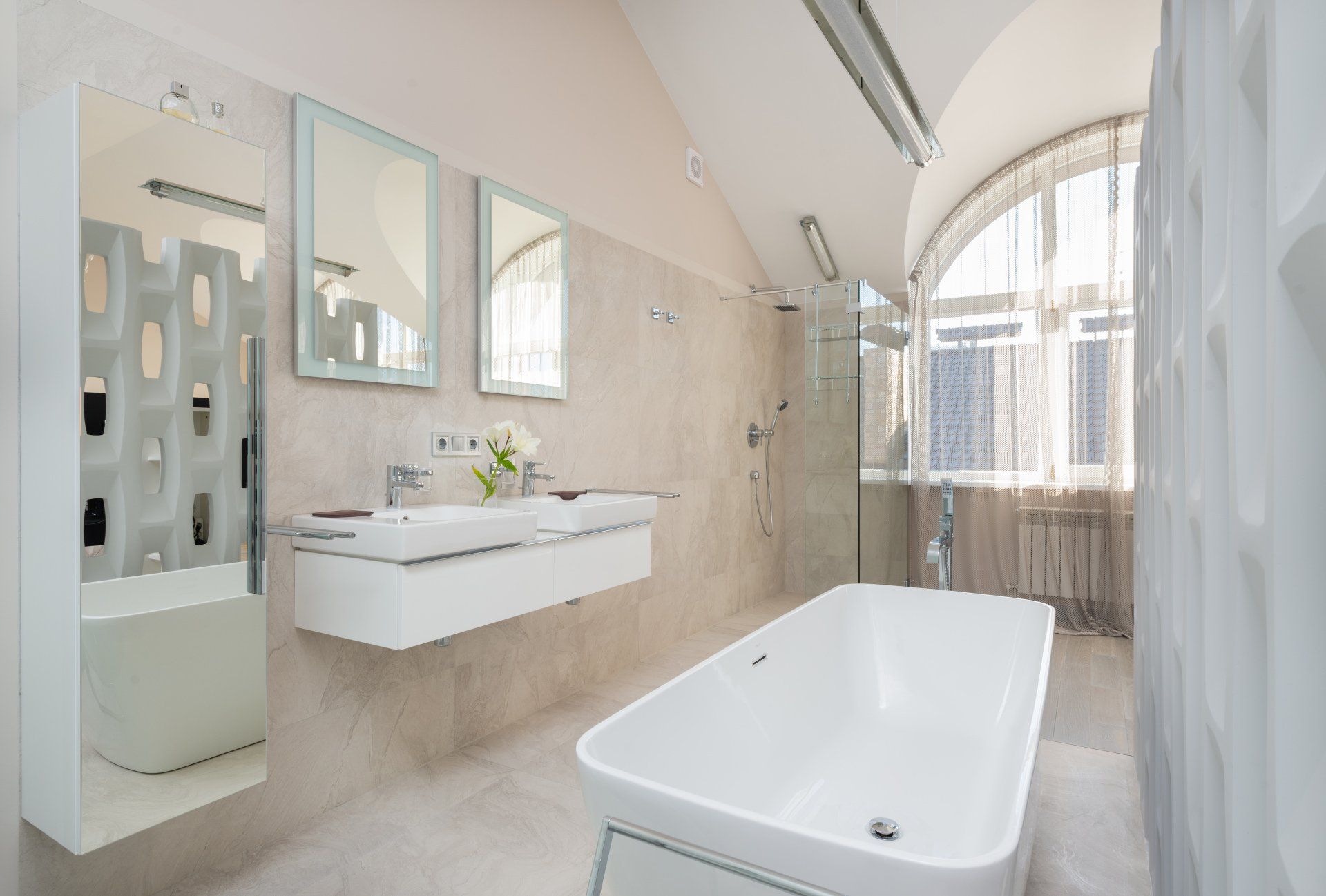
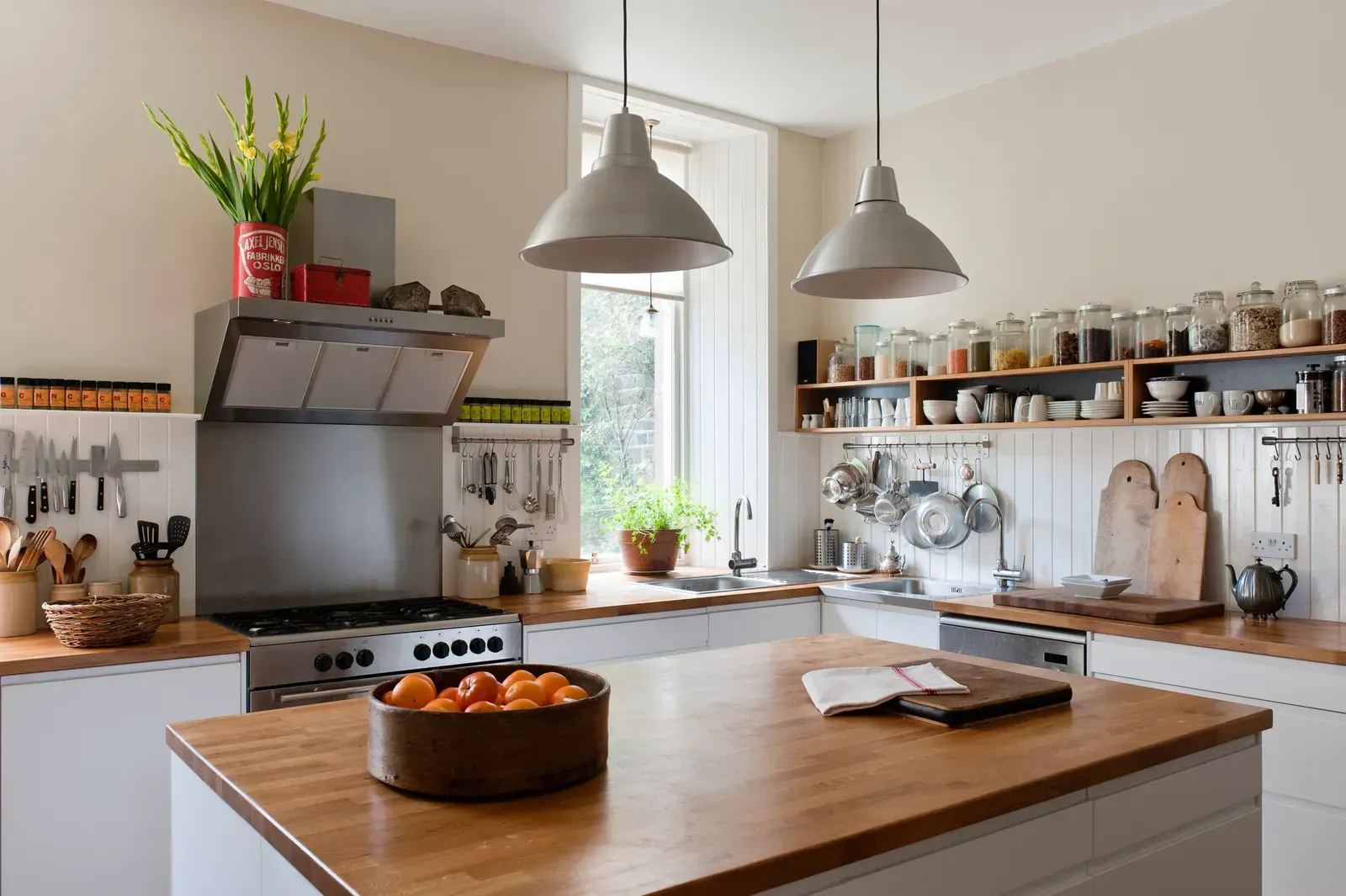
See bathrooms and kitchens we have built in the Poconos.
What the quote has to itemize
A quote should break the job into line items and separate labor from materials. It specifies fixtures, cabinets, countertops, and tile by model, and clarifies demolition and disposal. The quote needs to list every allowance with the dollar amount.
An allowance is a placeholder amount for something you haven’t selected yet, such as tile or vanity. A low allowance can make a quote appear cheaper until you choose the material and the difference gets added to your final bill.
Check for a written scope of work that explains what’s included and what isn’t. For kitchen remodels, the difference between
kitchen cabinet refacing or replacement can be the largest number, so make sure each quote is pricing the same amount of work.
If a bid comes in far below the others, compare it item by item and verify what the lower quote is leaving out.
When money should change hands
It’s normal to pay a deposit, and in Pennsylvania, the law caps it at one-third of the overall project cost. For home improvement contracts over $5,000, HICPA does not allow contractors to take more than one-third of the overall price upfront, or one-third of the cost plus special-order materials listed. Once the deposit is made, payments should follow finished stages of work.
The Attorney General’s office describes “a down payment of one-third of the total contract price” as generally appropriate, and recommends
negotiating incremental payments as work progresses, with final payment after completion.
A reasonable draw schedule connects each payment to progress you can see, like demolition completed, plumbing rough-in inspected, or tile set. Hold the final payment until you confirm the punch list is done. On larger jobs, ask for lien waivers from subcontractors and suppliers, so nobody can file a claim against your home over a bill that’s not paid by the contractor.
You should never have to pay for a quote, but some firms charge for detailed design work, which should be explained before booking. Contractors asking for cash-only terms, or requesting more than one-third of the overall cost before material is ordered is a red flag.
If spreading the cost is preferable, ask about
financing options before you sign.
Ask us for an itemized quote on your project.
Dates, change orders, and who pulls the permit
The project start date and an estimated completion date must be in writing, according to Pennsylvania law. These dates are required, along with a notice of your right to cancel within three business days of signing the contract. Any change to the work should be noted in a written change order that’s priced and signed before the work begins. The contractor should pull the permit.
Change orders occur on most remodels, usually because opening walls can reveal unexpected obstacles.
The price of a change order should be agreed upon before the work is done. It’s normal for dates to slip on completion phases due to backordered items or inspection hold-ups. The contractor should make these delays clear in writing. To get a sense of normal timing, see
how long a bathroom remodel takes.
Ask up front whether the estimate is free and whether design work is billed separately, so there are no surprises when you book. Cash-only terms, or a request for more than one-third of the price before materials are ordered, are both red flags.
Frequently Asked Questions
How do I check whether a contractor is licensed and insured in Pennsylvania?
Ask for their Pennsylvania Home Improvement Contractor (PAHIC) number and look it up through the Pennsylvania Office of Attorney General. This can also be checked online or by phone with the Bureau of Consumer Protection. Contractors doing $5,000 or more of home improvement work each year must register. For insurance, ask the contractor’s insurer to send a certificate showing general liability and workers’ compensation.
What is a normal deposit for a bathroom remodel?
In Pennsylvania, on jobs over $5,000, a contractor cannot take more than one-third of the contract price upfront as a deposit, or one-third plus the cost of special-order materials outlined in the contract.
What should be itemized on a remodeling quote?
The quote should separate labor and materials. It should also specify the model or grade of fixtures and finishes, as well as demolition and disposal costs.
Who pulls the permit for a bathroom remodel?
The homeowner should never have to pull the permit. This falls under the contractor’s responsibility. In Monroe County, permits are issued through your township or borough under Pennsylvania’s Uniform Construction Code, and work that moves any plumbing or electrical wiring generally requires one. If a contractor asks you to pull the permit yourself, you’ll be responsible for making sure the work meets code requirements.
Related Guides
- Bathroom remodeling
- Kitchen remodeling
- How long does a bathroom remodel take?
- About Home Source Remodeling
Ask us these questions
Ask for our Pennsylvania registration number and have our insurer send you our certificate. Ask who will be working in your house, how our quote breaks down the work, what our deposit is, when each payment is due, and who pulls the permit. We’ve been remodeling Poconos kitchens and bathrooms from Brodheadsville since 1998.
Book a consultation and put this list to us.